overview
The Ghaghot River is a small but historically and environmentally important river in northern Bangladesh, especially in the Rangpur region. It is part of the Teesta river system and flows through rural and semi-urban areas, supporting both natural ecosystems and human life. Although not a large river, it plays a vital role in local agriculture by providing water for irrigation, especially during the monsoon season when the river becomes active and full. In the dry season, its water level decreases significantly, showing its seasonal nature.
The river supports fishing communities, provides livelihoods for local people, and helps maintain soil fertility through sediment deposition. It also contributes to natural drainage and flood control in surrounding low-lying areas. Culturally, the Ghaghot River is closely connected with the traditional lifestyle of Rangpur’s rural communities, influencing daily activities, transport, and village life. Overall, the Ghaghot River is an important natural resource that supports agriculture, economy, environment, and culture in northern Bangladesh.
key points
- Country: Bangladesh
- Region: Rangpur Division
- Mouth: Joins the Brahmaputra River near Gaibandha
- Primary use: Irrigation, fishing, local transport
Aspects of Rivers:
- Significance: They provide water for agriculture, industries, and domestic use.
- Communication: Rivers serve as important, cost-effective routes for transporting goods and people.
- Ecosystem: They are habitats for fish and various aquatic species, contributing to food supply and economies.
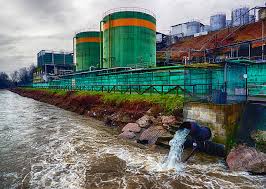
- Environmental Concern: Pollution and industrial waste threaten the health of rivers, requiring conservation efforts.
contribution of Ghagot
- Water Supply: They are a primary source of fresh water for human consumption, households, and industrial use.
- Agriculture and Food: Rivers provide water for irrigation to grow crops and are a source of food, such as fish.
- Energy Generation: They power hydroelectric plants, providing clean and renewable electricity.
- Transportation: Throughout history, rivers have served as, and continue to be, important, cost-effective routes for transporting goods and people.
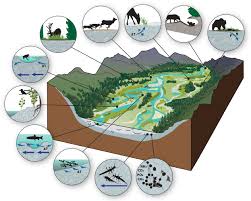
- Environment and Ecosystems: Rivers are crucial for biodiversity, serving as habitats for various species. They also transport nutrients and help maintain healthy ecosystems, including wetlands.
- Economic and Social Value: They support livelihoods through fishing and tourism, provide opportunities for recreation
history
The Ghaghot River has been an important part of the Rangpur region for centuries. Historically, it functioned as a natural waterway for transportation, trade, and communication among villages and local markets. In earlier times, boats were commonly used on the river to carry agricultural products, fish, and daily goods. The river also helped shape settlement patterns, as many villages and communities developed along its banks due to easy access to water, fertile land, and transportation routes. Being connected to the Teesta river system, the Ghaghot played a role in the wider river network of northern Bangladesh, supporting regional trade and rural development.
culture
Culturally, the Ghaghot River is deeply connected to the traditional lifestyle of Rangpur’s people. It has been part of daily life for generations—used for bathing, washing, fishing, irrigation, and social activities. Fishermen communities depend on it for their livelihood, and farming families rely on it for crop production. The river is often associated with rural festivals, local traditions, and community gatherings. Children grow up swimming in it, and elders share stories connected to the river, making it part of local identity and memory.
The Ghaghot River also represents simplicity, nature, and rural heritage. It symbolizes the close relationship between people and nature in northern Bangladesh. Even today, despite environmental challenges and reduced water flow in the dry season, the river remains a cultural and emotional landmark for the people of Rangpur.